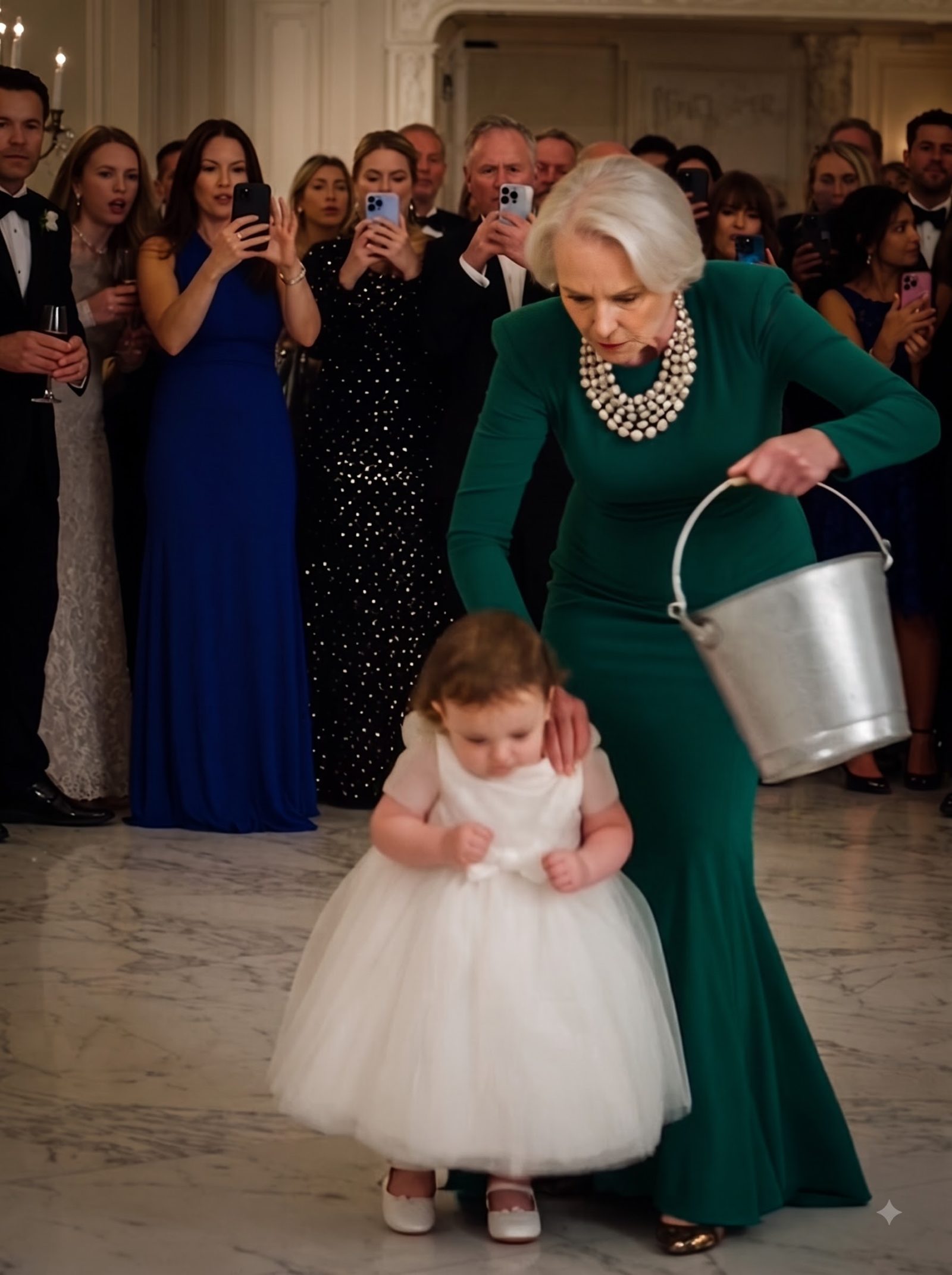
Olivia stared at the locked brass knob, then down at the shredded legal document scattered across the wet stones. “Where are we supposed to go, Dad? Where do we go right now?”
Charles did not reply. He sat motionless, an old man in a wet rented suit, staring at the empty street where the gas lamps flickered against the encroaching morning fog.
By seven o’clock that morning, the rain had turned into a steady, grey drizzle.
Olivia had managed to call an Uber using the last twenty-two dollars remaining on a personal debit card that had somehow slipped through the commercial banking freeze. The car had brought them to a nondescript, single-story motel on Savannah Highway, nestled between an auto-parts warehouse and an all-night diner. The room smelled of stale tobacco and ozone from a sputtering window-unit air conditioner.
Charles lay on the synthetic floral bedspread, fully clothed, his eyes fixed on the ceiling tiles where water stains formed the shape of an expanding continent. He had not spoken since they left the steps of South Battery.
Olivia stood in the tiny bathroom, staring into the cracked mirror above the rusted sink.
The woman looking back at her was unrecognizable. Her mascara had dried into black crusts beneath her eyes. Her hair, which had taken three stylists four hours to pin into an intricate crown of curls, was matted, damp, and smelling of sour harbor air. Her Paris wedding dress hung from the shower rod, limp and stained with dirt around the hem, looking like a discarded shroud. She was wearing an oversized grey cotton sweatshirt and a pair of gym shorts she had bought from a twenty-four-hour convenience store with Charles’s loose pocket change.
She washed her face with cold water and cheap pink liquid soap that burned her nostrils.
When she stepped back into the bedroom, her father’s phone—which sat on the laminate nightstand—began to ring again. It had been ringing continuously for three hours: reporters from the *Post and Courier*, furious sub-contractors demanding to know if their payroll checks would clear on Monday, and private equity executives offering pennies on the dollar for Harrington land assets.
Olivia picked up the phone. She was about to switch it off when she saw the caller ID.
**UNKNOWN CALLER — PRIVATE LINE.**
Her heart leaped into her throat. Could it be Evan? Had he come to his senses after speaking with his family? Had he realized that abandoning his bride on her wedding night would destroy his own reputation in Charleston society?
She swiped the screen and pressed the phone to her ear.
“Evan?” she asked, her voice trembling with raw desperation.
“Ms. Harrington,” a smooth, baritone voice answered.
The voice was not Evan’s. It was measured, quiet, and possessed a quiet resonance that instantly commanded the room.
It was Adrian Bennett.
Olivia gripped the plastic phone until her knuckles turned white. “You,” she spat, her anger rushing back to fill the void of her exhaustion. “Are you calling to gloat? Have you had your security guards monitor our motel room too?”
“I don’t gloat, Ms. Harrington,” Adrian said evenly from across the line. The background was silent—no city traffic, no office noise, just the faint hum of a high-end ventilation system. “And I don’t need security to tell me where you are. The card used for your ride was linked to a personal checking account at Palmetto National. A subsidiary of Bennett Capital.”
Olivia felt a cold sweat prickle her neck. “What do you want from us? You took the company. You locked us out of our house. You destroyed my marriage before it even started! What else could you possibly want?”
“Your father’s company owes seventy-four million dollars across four tranches of distressed debt,” Adrian said, completely ignoring her outburst. “Under normal liquidation procedures, Harrington Coastal will be dismantled by the bankruptcy court. The assets will be auctioned, the employees will be laid off without severance, and the unfinished developments will sit as concrete skeletons across Charleston for the next five years.”
“Then let it happen!” she screamed. “Why are you calling me?”
“Because your father signed a non-dischargeable personal indemnification clause regarding the Citadel Harbor project,” Adrian replied calmly. “Which means that even after corporate liquidation, Charles Harrington faces severe civil liabilities. And, depending on how the Department of Justice interprets his pre-closing financial representations, potential criminal exposure for securities fraud.”
Olivia’s breath caught in her throat. She glanced at the bed. Charles hadn’t moved; his chest rose and fell in shallow, irregular rhythms.
“Fraud?” she whispered. “My father is not a criminal.”
“Your father submitted altered rent rolls to Bennett Capital three weeks ago to secure his credit line extension,” Adrian said, his tone devoid of judgment, presenting the fact as indifferently as a weather report. “He claimed the retail spaces at the Harbor development were eighty-five percent pre-leased. They were less than thirty percent leased. That is a federal offense, Ms. Harrington.”
Olivia leaned against the doorframe, her knees threatening to buckle beneath her. “Why are you telling me this?”
„Denn ich habe einen Vorschlag für Sie“, sagte Adrian. „Einen, der die strafrechtliche Verfolgung Ihres Vaters auflöst, die Zwischenfinanzierungsschulden begleicht und Charles Harrington vor einem Bundesgefängnis bewahrt.“
Olivia schluckte schwer; ihr Mund schmeckte nach Galle und billigem Motelwasser. „Was für ein Vorschlag?“
„Seien Sie pünktlich um elf Uhr in den Büros der Aurelia Bay-Geschäftsleitung“, sagte Adrian. „Kommen Sie allein. Und Frau Harrington?“
“Was?”
“Trage etwas Praktisches.”
Kapitel 4 – Die Chefetage
Die Geschäftsleitung von Bennett Meridian Hospitality hatte keinen gemeinsamen Eingang mit dem Luxusresort. Sie befand sich in einem restaurierten Baumwollbörsengebäude aus dem 19. Jahrhundert, das über eine diskrete, geschlossene und mit Milchglas verkleidete Skybridge mit dem Aurelia Bay-Komplex verbunden war.
Um 10:45 Uhr stieg Olivia auf dem Kopfsteinpflaster der East Bay Street aus einem gelben Taxi.
Sie hatte vierzig Dollar von Charles’ restlichem Notfallgeld in einem Discounter zwei Blocks vom Busbahnhof entfernt ausgegeben. Sie trug einen schlichten, markenlosen dunkelblauen Blazer, eine weiße Baumwollbluse und flache schwarze Loafer. Ihr Haar war zu einem strengen, praktischen Pferdeschwanz zurückgebunden, der die Spuren der Feuchtigkeit der vergangenen Nacht verbarg. Sie war ungeschminkt. Ohne die schützende Wirkung ihres siebzigtausend Dollar teuren Kleides, ihrer geerbten Diamanten und ihrer Schar anhänglicher Brautjungfern fühlte sie sich vor den hoch aufragenden Backsteinfassaden von Charlestons historischem Viertel beunruhigend klein.