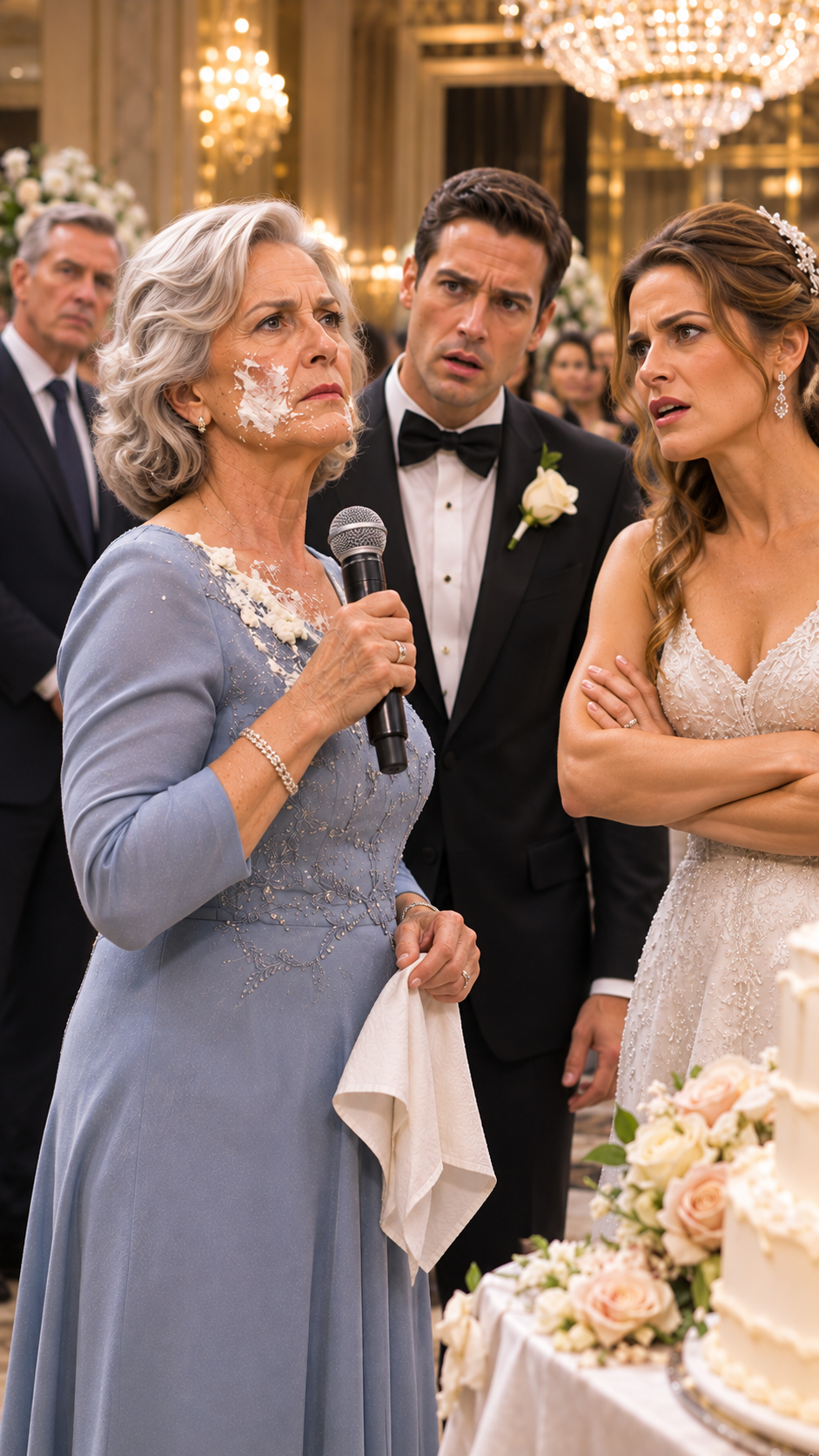
My mother had promised she would arrive by three. Dad was supposed to walk me down the aisle. My brother had volunteered to bring Grandma. Instead, while my maid of honor, Hannah, adjusted my veil in the church dressing room, my phone lit up with a photograph from my sister Celeste. Mom, Dad, my brother, two aunts, and three cousins were sitting around a restaurant table raising champagne glasses. Celeste’s caption read: Family dinner before my big announcement! I stared at it until Mom finally texted me. We’re staying for dinner. Celeste needs us tonight. Please don’t be dramatic. You’re getting married either way.
I called Dad once. He declined.
That was all I needed.
For almost nine years, I had been the family member who “could handle things.” When Dad’s hours were cut, I started paying $2,700 of their monthly mortgage. When Mom needed a newer car, I put the insurance on my account. When my brother Mason lost his job, I covered his family phone plan. When Celeste opened a boutique and struggled through the first year, I paid the lease for six months, then somehow kept paying because every month came with another emergency. Altogether, the automatic payments leaving my accounts totaled just over $8,400 every month.
Nobody called that dramatic.
In the bridal suite, I opened my banking app. I canceled the recurring mortgage transfer scheduled for Monday. I removed my card from Mom’s auto insurance and the family phone plan. I terminated the automatic lease payment to Celeste’s boutique effective after the period I had already paid. I did not claw back money, cancel anyone’s existing coverage that second, or touch accounts that belonged to them. I simply stopped volunteering my income for future bills.
Then I turned off my phone.
Hannah’s father, Frank, had known me since high school. When he saw the empty front row, he quietly offered his arm. “You don’t need somebody to give you away,” he said. “But nobody should have to walk alone if they don’t want to.”
So Frank walked beside me.
Ethan was waiting at the altar.
He looked once toward the empty family seats, then back at me. He never asked where they were until after we said our vows.
That evening was beautiful anyway.
Not perfect.
Better.
The people who stayed were people who actually wanted to be there.
The next morning, I turned my phone on.
Thirty-one messages.
Mom called me cruel. Dad said I had humiliated him by having another man walk me down the aisle. Celeste wrote that her dinner had been important because she was announcing her pregnancy and accused me of making “everything about money.”
I answered none of them.
One month later, Ethan and I returned from our honeymoon.
My screen showed 89 missed calls.
Then a voicemail appeared from Dad.
His voice was no longer angry.
“Emily, call me. Please. The bank says the mortgage payment never came, Celeste’s landlord is threatening action, and your mother’s insurance was canceled for nonpayment.”
I almost deleted it.
Then the next voicemail played.
This one was from Celeste.
She was crying.
“Dad told us you were going to keep paying. He said you promised.”
I froze.
Because I had never promised that.
And suddenly I wanted to know exactly what Dad had been telling everyone about my money.
I did not call my family first. I called Rebecca Sloan, the attorney who had reviewed my prenup before the wedding. I sent her years of bank statements, messages, and the voicemail where Celeste said Dad had promised my payments would continue.
The transfers were easy to understand. Every month, money left my account voluntarily. There was no written agreement requiring me to keep paying anyone’s mortgage, rent, insurance, or phone bill. Generosity repeated for years had not turned itself into a contract.
Dad apparently believed otherwise. When Celeste signed a three-year renewal on her boutique lease, he had told her landlord that I would continue covering the rent if business remained slow. He had no authority to make that promise.
Celeste had signed the lease herself, so the debt was still hers. The landlord had never received a guarantee directly from me. But Celeste had expanded the store, hired another employee, and ordered inventory based partly on Dad’s assurance that my monthly payment was permanent.
My parents had done something similar with their house. The mortgage itself was theirs. I was not on the note. But during a loan modification eighteen months earlier, Dad provided bank statements showing my regular transfers and described them as “ongoing family support.”
The lender had not made me a borrower simply because those deposits existed. Still, my parents had built their monthly budget around them. Without my $2,700, their payment consumed far more of their retirement income than they could comfortably manage.
Mom’s insurance situation was simpler. I had paid the premium from my card. After I removed the card, the insurer sent notices asking her to provide another payment method. She ignored them because Dad assured her I would “calm down after the honeymoon.”
She did not lose coverage without warning. She lost it because nobody believed my no would last.
That realization hurt more than the empty wedding seats.
For years, my family had not treated my help as help. They had treated it as infrastructure.
Then Rebecca found the reason the calls suddenly became frantic. Celeste’s boutique was not merely struggling. Dad had persuaded Mason and two relatives to invest nearly $90,000 in a planned second location, telling them my support made the first store financially secure.
I had never known about a second location.
Celeste admitted she had believed I was “basically a silent partner.” When I asked where she got that idea, she forwarded an email Dad sent her six months earlier.
Emily will never let this fail. She has too much money and too much pride. Build as if her support is permanent.