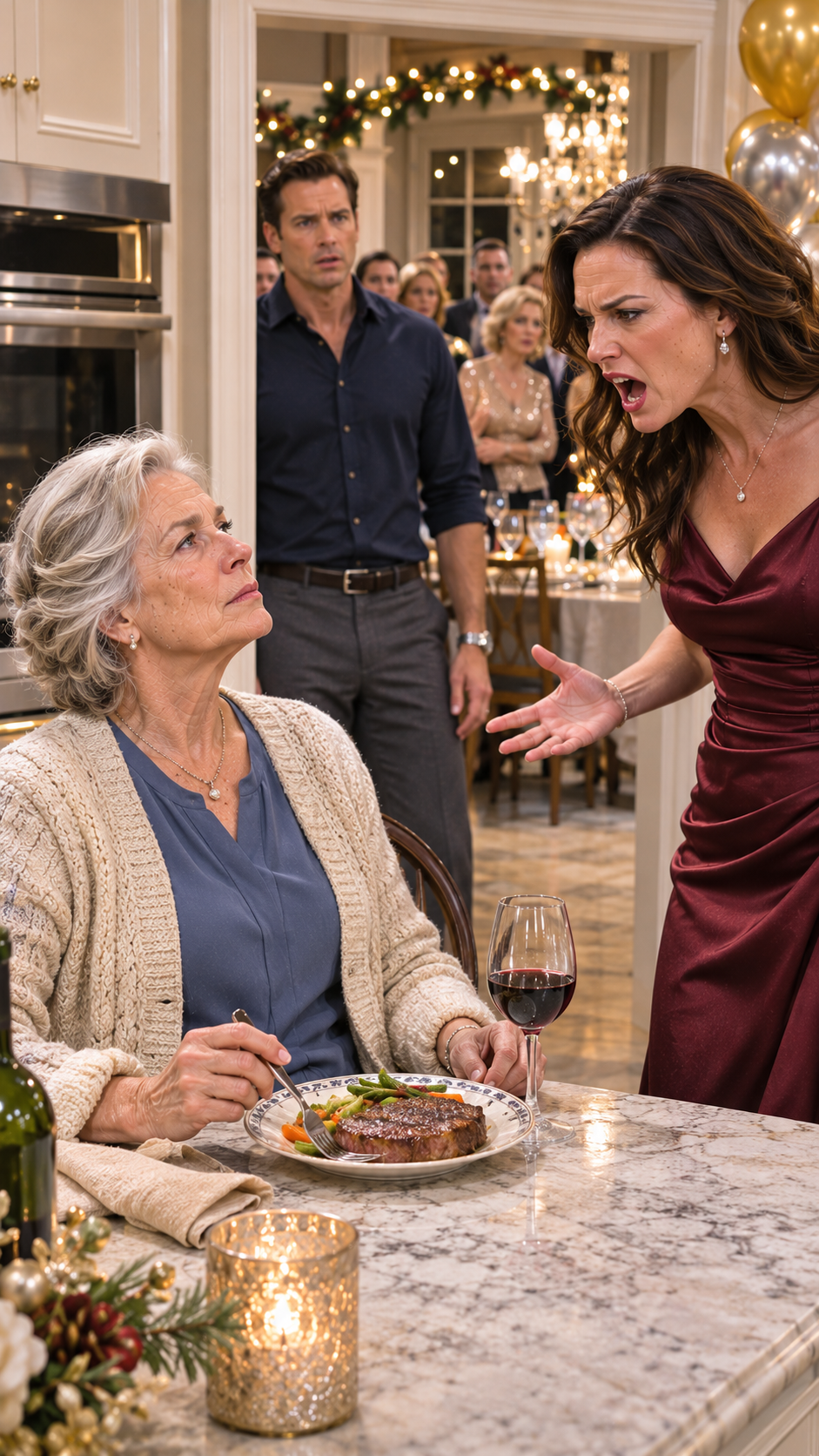
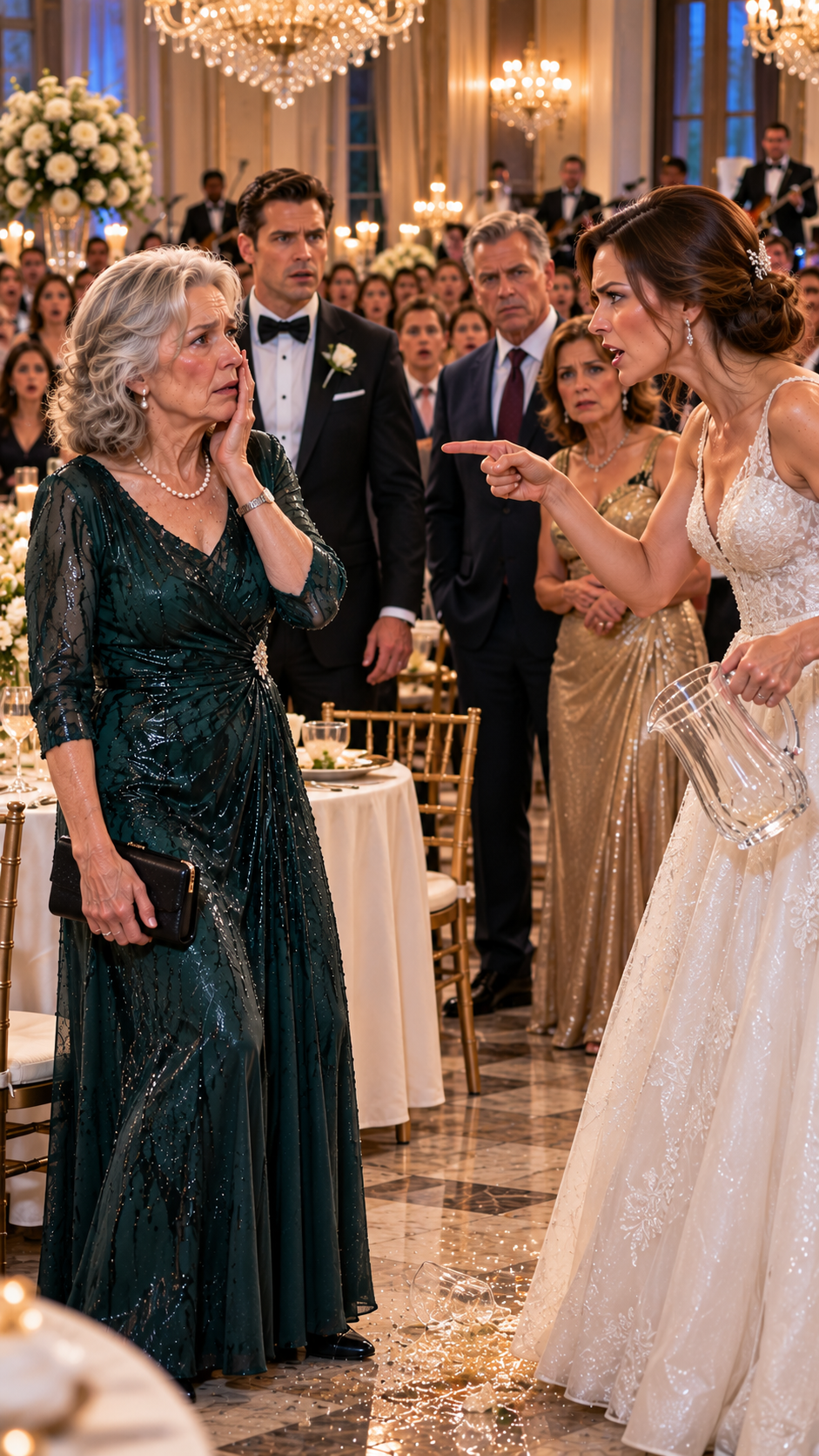
Harper was cheerful.
Liam helped with small chores.
They bought groceries.
They kept their belongings mostly in the guest bedroom.
I began to think the arrangement might actually be pleasant.
Then things slowly changed.
It started with the refrigerator.
I would buy ingredients for my meals, only to discover they had disappeared.
The cheese I planned to use for lunch.
The chicken I’d bought for dinner.
The fresh fruit.
The milk.
At first, I assumed it was an honest mistake.
So I mentioned it gently.
“Harper, sweetheart, could you please remember to buy your own groceries?”
She smiled.
“Oh, Eleanor, we’re family. I didn’t think you’d mind sharing.”
I tried to explain.
“I don’t mind sharing occasionally. But we agreed that you’d buy your own food.”
Her smile faded.
“Okay.”
For a few days, things improved.
Then the groceries began disappearing again.
Next came the clutter.
Harper’s shoes appeared in the hallway.
Her handbags covered the entryway table.
Her beauty products filled the bathroom.
Her clothes spread into the spare bedroom.
Then she began inviting friends over.
Sometimes I came downstairs to discover strangers sitting in my living room.
Drinking wine.
Eating snacks.
Laughing loudly.
And nobody had asked me whether it was convenient.
Afterward, I was often left with dirty glasses, plates, and crumbs.
When I brought it up to Liam, he gave me the same tired response.
“Mom, please. Can we not make this a big deal?”
I looked at him.
“We had an agreement.”
“I know, but Harper’s just trying to feel comfortable.”
I wanted to ask why her comfort always seemed to come at the expense of mine.
But I didn’t.
I was still trying to keep the peace.
Then came the incident with David’s photograph.
It was a framed picture of my late husband standing in our backyard.
He was smiling.
His sleeves were rolled up.
And he was holding a pair of gardening gloves.
I loved that photograph.
It reminded me of a warm spring afternoon when we’d spent hours planting flowers together.
For years, it had stood on the living room mantel.
One morning, I noticed it was gone.
I searched the room.
Then the hallway.
Finally, I asked Harper.
“Have you seen David’s photograph?”
She glanced up from her phone.
“Oh, I moved it.”
“Where?”
“Into the cabinet.”
I stared at her.
“Why?”
She shrugged.
“It looked outdated.”
For a moment, I couldn’t speak.
“Harper, that is my husband.”
She gave an impatient sigh.
“I know, Eleanor. I’m just trying to make this place look better.”
I looked toward the mantel.
She had replaced the photograph with a decorative vase.
A vase that meant absolutely nothing to me.
I retrieved David’s picture and returned it to its place.
Harper didn’t apologize.
And when Liam came home, she complained that I had been difficult.
He sighed.
“Mom, it’s just a photograph.”
I looked at my son.
“To you, maybe.”
He didn’t answer.
That night, I sat alone in my bedroom and cried.
Not because of the photograph itself.
But because I was beginning to feel like a visitor in the home David and I had built together.
By Thanksgiving, the situation had become worse.
I had planned a small family dinner.
Just four people.
Liam.
Harper.
Me.
And one relative who was visiting.
I bought a turkey.
Prepared the stuffing.
Made mashed potatoes and vegetables.
And baked a pumpkin pie.
Everything was arranged for a quiet, comfortable holiday.
Then, less than an hour before dinner, Harper announced that several relatives were coming.
I looked up from the stove.
“Several?”
She smiled.
“Just seven more.”
I stared at her.
“Seven?”
“Yes. My aunt, my cousins, and a few others.”
I looked at the food I’d prepared.
“Harper, I cooked for four people.”
She waved one hand.
“Oh, it’ll be fine. We’ll make it work.”
I wanted to tell her that she should have asked me first.
That the house wasn’t a restaurant.
That I was not an unpaid caterer.
But the doorbell was already ringing.
And I couldn’t bear the thought of making her guests feel unwelcome.
So I did what I’d always done.
I adjusted.
I found extra chairs.
Added more potatoes.
Cut smaller portions.
Stretched the stuffing.
And spent the afternoon making sure everyone had enough to eat.
By the time the guests left, my feet ached.
The kitchen was a disaster.
And Harper had barely lifted a finger.
I was carrying dirty dishes toward the sink when I heard her talking to her mother, Brenda, in the hallway.
“Honestly, Mom, Eleanor is so controlling.”
I stopped walking.
Brenda murmured something.
Harper continued.
“She acts like everything has to be done her way.”
Then she laughed.
“It’s not like she has anything else to do with her time.”
I stood there holding the plates.
For a long moment, I couldn’t move.
I had spent hours cooking for people I hadn’t invited.
I had stretched the meal to make sure nobody went hungry.
I had cleaned up after everyone.
And somehow, Harper believed I was controlling.
I quietly returned to the kitchen.
Set the plates down.
And sat at the table.
That conversation hurt more than she realized.
But it also taught me something.
My generosity had become an expectation.
And Harper seemed convinced that no matter what she did, I would eventually give in.
Because I always had.
Every time she crossed a boundary, I complained.
Liam asked me not to make a big deal out of it.
Harper acted offended.
And I surrendered.
The pattern had become so predictable that nobody even bothered pretending otherwise.
But by December, I was tired.
Tired of feeling uncomfortable in my own home.
Tired of cleaning up after people who treated my kindness as an obligation.
And tired of hearing my son defend behavior he would never have tolerated from anyone else.
So one evening, I asked Liam to sit down with me.
We sat at the same kitchen table where he had asked to move in months earlier.