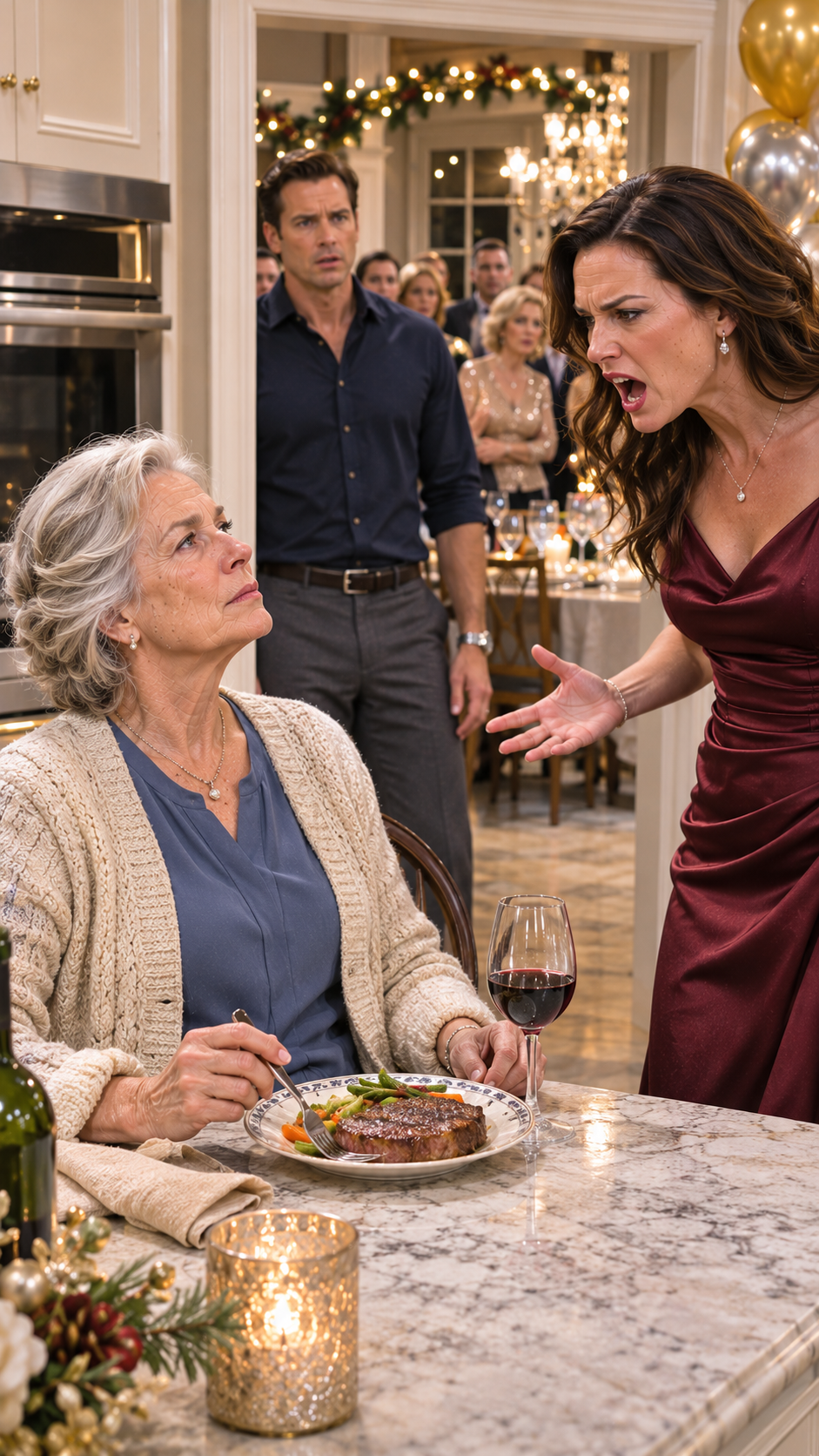
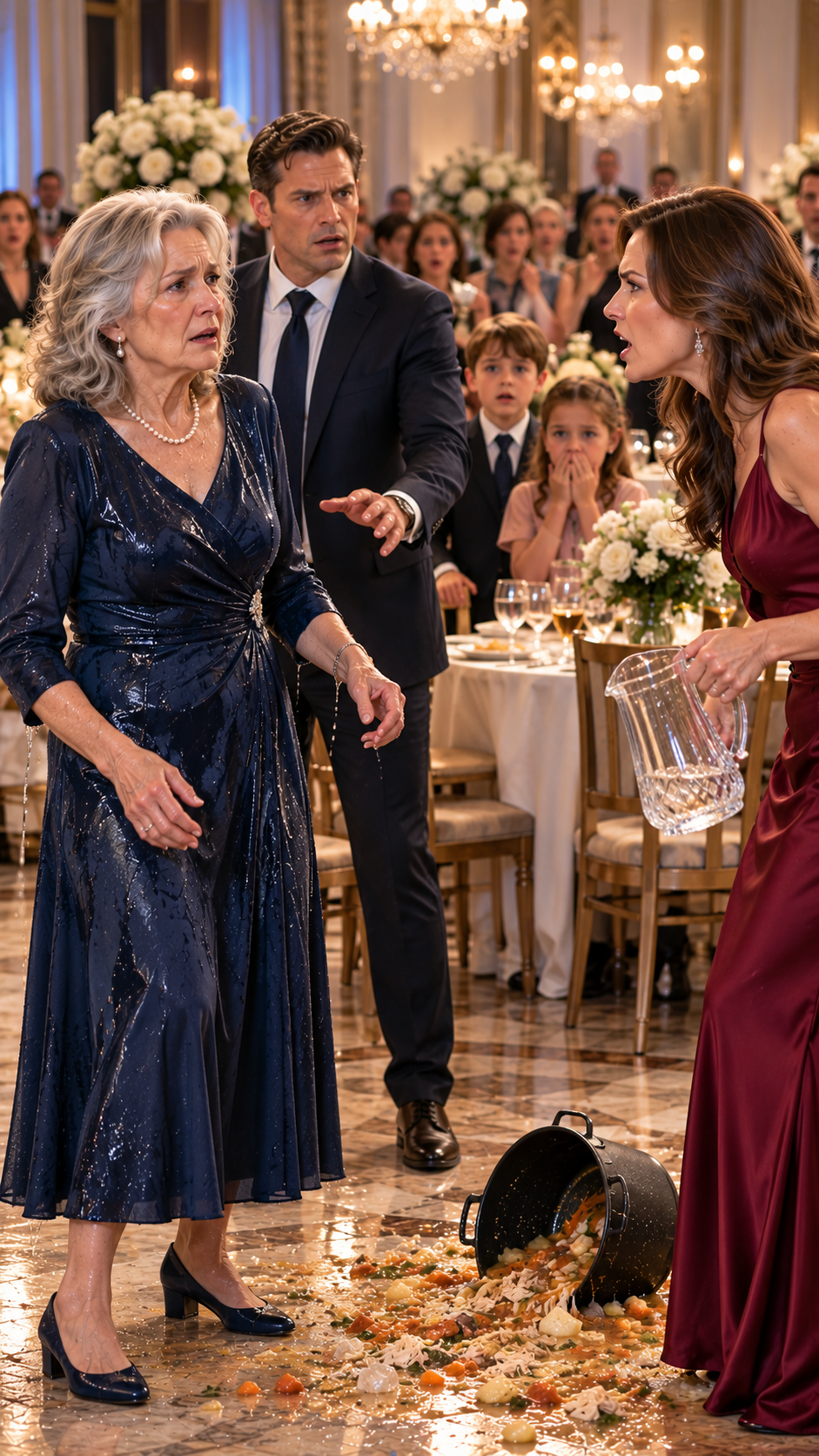
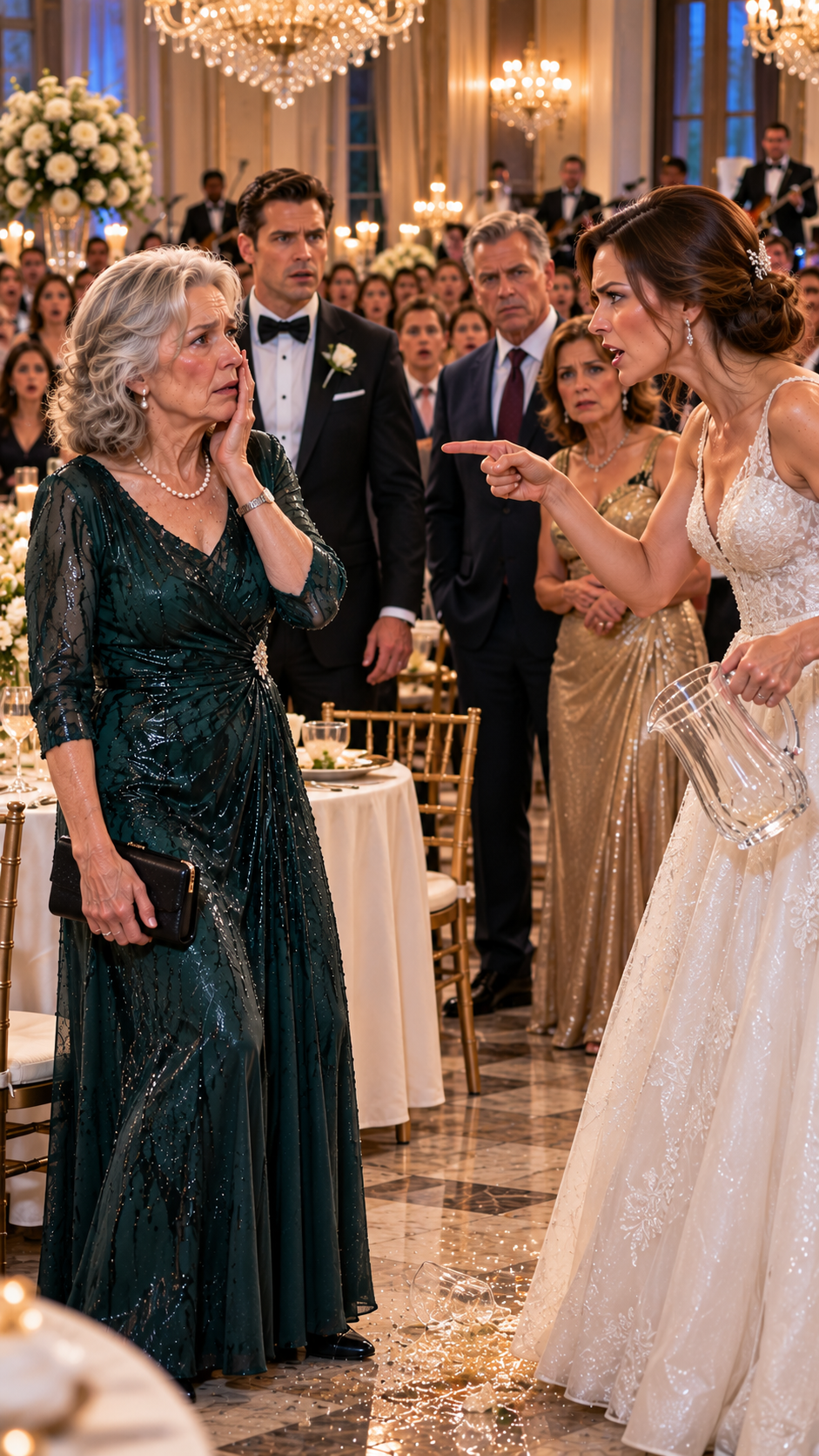
He covered his face.
“I did.”
My throat tightened.
“And she still wanted me to sell it?”
He nodded.
I looked away.
For a long moment, I couldn’t breathe.
Then I asked the question I was afraid to hear answered.
“Did you want me to sell it?”
He began crying harder.
“Mom, I thought—”
I waited.
He swallowed.
“I thought if the wedding was perfect, Tiffany would finally be happy.”
The words settled between us.
I stared at my son.
And suddenly, I saw how far the problem extended.
He had been trying to buy peace.
Just as I had.
The difference was that he had been spending my security to do it.
I stood.
My son looked up.
“Mom?”
I shook my head.
“I can’t talk about this anymore tonight.”
He began to rise.
“Please.”
I looked at him.
His eyes were red.
He looked frightened.
For a moment, I saw the little boy who used to run to me after falling off his bicycle.
But I couldn’t rescue him from this.
Not again.
“You knew what that land meant to your father.”
He nodded.
“And you let me sell it because you were afraid of disappointing your wife.”
He lowered his head.
I swallowed.
“I love you.”
His face crumpled.
“But I need distance from you right now.”
He stared at me.
“Mom, please don’t shut me out.”
I shook my head.
“I’m not shutting you out.”
My voice trembled.
“I’m telling you that I need time to understand what happened.”
He wiped his face.
I continued.
“And I need you to understand that an apology won’t bring back the land.”
He nodded slowly.
“I know.”
I looked at him one final time.
“Then start there.”
I left Briarwood shortly afterward.
Helen drove me home.
The streets were quiet.
Streetlights reflected against the windshield.
For most of the drive, neither of us spoke.
Then Helen glanced toward me.
“Margaret?”
I turned.
“Yes?”
“Do you want me to stay tonight?”
I looked out the window.
At the dark houses.
The sleeping neighborhoods.
The ordinary world continuing as though nothing had happened.
I thought about walking into my empty home.
Seeing my husband’s photograph.
Remembering the land.
The wedding.
My son’s silence.
Then I nodded.
“Yes.”
Helen reached across the center console and squeezed my hand.
“Then I’ll stay.”
The house felt different when we entered.
Not because anything had changed.
The furniture was the same.
The lamps were the same.
My husband’s photograph still stood on the mantel.
But I had changed.
I placed my purse on the kitchen table.
Then sat down.
Helen made tea.
She didn’t ask whether I wanted to talk.
She simply placed a warm cup in front of me.
For a while, I stared at the steam.
Then I whispered, “I promised him.”
Helen looked up.
“My husband.”
She nodded.
“I promised I’d protect the land.”
My voice broke.
“And I sold it.”
Helen sat beside me.
I shook my head.
“I keep thinking about how disappointed he’d be.”
She was quiet for a moment.
Then she said, “Margaret, your husband loved that land.”
I nodded.
“But he loved you more.”
Tears slipped down my cheeks.
She continued.
“He wouldn’t have wanted you to spend the rest of your life punishing yourself for trying to help your son.”
I looked at her.
“But I made the wrong decision.”
Helen nodded gently.
“Yes.”
I swallowed.
She squeezed my hand.
“And now you can make different decisions.”
For a long time, I cried.
Not just for the wedding.
Not just for the money.
For the years I’d spent confusing sacrifice with love.
For the boundaries I’d been afraid to enforce.
For the quiet promises I’d broken to myself.
And for the woman I had been before I started believing that everyone else’s happiness mattered more than my own.
The following morning, I called my attorney.
He had handled the land sale.
When he answered, I explained what had happened.
He listened without interrupting.
Then asked whether I wanted to discuss the property.
I hesitated.
“Yes.”
He pulled up the records.
The portion I’d sold had been transferred legally.
The transaction was complete.
There was no automatic way to undo it.
I already knew that.
But hearing him say it made the loss feel final.
Then he added, “There may be something worth considering.”
I sat straighter.
“What?”
“The buyer owns the adjoining parcel.”
I nodded.
“I remember.”
“He purchased your portion because it provides access to a section of his property.”
I waited.
“He may have an interest in selling it back under certain circumstances.”
My heart began beating faster.
“Have you spoken with him?”
“No.”
He paused.
“But I can make an inquiry.”
I closed my eyes.
For a moment, hope felt almost painful.
Then I took a breath.
“Please do.”
He nodded.
“And Margaret?”
“Yes?”
“Don’t make another financial decision out of guilt.”
I looked toward my husband’s photograph.
Then smiled sadly.
“I won’t.”
The wedding contracts were settled over the following weeks.
Some payments were nonrefundable.
Others were partially credited.
Several vendors returned unused portions according to their agreements.
The final accounting was painful.
But it was clear.
I reviewed every line.
Every charge.
Every refund.
Every remaining obligation.
For the first time in months, I understood exactly what I had spent.
More than $45,000.
A number that represented years of savings.
Dreams postponed.
And part of my husband’s family land.
I didn’t pretend I could recover everything.
I couldn’t.
But I stopped paying.
No more upgrades.
No more requests.
No more emergency transfers.
No more money sent simply because my son sounded frightened.
I changed the arrangements on my accounts.
Updated my estate documents.
And met with a financial adviser to rebuild a plan for my retirement.
It wasn’t glamorous.
There were no chandeliers.
No imported flowers.
No applause.
Just careful decisions made at a kitchen table.
But each one felt like a small piece of my life returning to me.
Tiffany’s public humiliation didn’t end when the reception stopped.