I watched the balance shrink with every wedding payment.
At first, I reassured myself that I could replace it.
I had always been careful with money.
Surely I could rebuild.
Then I canceled a trip I had dreamed of taking for years.
It wasn’t an extravagant vacation.
It was simply something I had promised myself after decades of work and family responsibilities.
I wanted to travel.
To see beautiful places.
To wake up somewhere unfamiliar without worrying about everyone else’s needs.
For once, I wanted to do something purely for myself.
But another wedding invoice arrived.
And my dream disappeared.
I told myself that vacations could wait.
My son’s wedding couldn’t.
Then came the sacrifice that still hurts me to remember.
When the wedding expenses continued climbing, I made a decision I had once considered unthinkable.
I sold part of the land my late husband had left me.
That land was more than an asset.
It was family history.
My husband’s grandparents had worked it.
His parents had protected it.
And when my husband inherited it, he treated it as something precious.
I still remember the way he spoke about those acres.
Not as a businessman discussing property values.
But as a man talking about his roots.
After he died, I promised myself I would preserve what I could.
It was one of the last meaningful connections I had to the life we had built together.
Yet there I was, sitting inside an attorney’s office, preparing to sign away part of it.
The room was quiet.
The air conditioner hummed overhead.
The attorney placed the documents neatly in front of me.
“Mrs. Bennett, you can sign here.”
I picked up the pen.
But my hand stopped.
I stared at the signature line.
And suddenly, I could almost hear my husband’s voice.
I remembered walking that land with him.
Remembered the stories he told.
Remembered how proud he was that it had remained in his family for generations.
My throat tightened.
The attorney noticed my hesitation.
“Would you like some time?”
I nodded.
For several moments, I sat silently.
Then I whispered the same words I had used to justify every sacrifice.
“I’m doing this for our son.”
And I signed.
A piece of my husband’s family legacy became another payment toward Tiffany’s perfect wedding.
I didn’t tell my son how much that decision hurt.
I didn’t tell Tiffany.
I simply transferred the money and hoped that, one day, they would understand what I had given.
On the afternoon of the wedding, Briarwood was breathtaking.
Golden light poured from the enormous chandeliers.
Imported flowers decorated the walls.
Elegant white linens covered every table.
Silver trays glittered beneath the ballroom lights.
Guests laughed and mingled while waiters circulated with glasses of expensive champagne.
The live band played beautifully.
Everything was polished.
Everything was luxurious.
Everything looked exactly the way Tiffany had demanded.
I stood near a table and watched the celebration unfold.
For a brief moment, I felt something close to peace.
My son was married.
The guests were happy.
The ballroom was magnificent.
Perhaps, I thought, the sacrifices had been worth it.
Perhaps the joy of this evening would eventually outweigh the pain of what I had surrendered.
I wanted to believe that more than anything.
Then Tiffany discovered that one particular bottle of champagne wasn’t being served.
And the illusion shattered.
The bottle was called Laurent Reserve.
An imported luxury champagne costing nearly $2,000.
Tiffany had added it to the arrangements at the last minute because her father wanted to serve it during his toast.
Not because the wedding needed more champagne.
Not because the bar was running low.
The existing package was already more than generous.
Her father simply wanted something exclusive.
Something expensive enough to impress his friends.
And, naturally, he expected me to pay.
When I reviewed the additional request, I removed the bottle from the order.
I had already spent more than $45,000.
I had drained my savings.
Canceled my dream vacation.
And sold part of my husband’s land.
I wasn’t going to spend another $2,000 so Tiffany’s father could show off.
It was the first firm financial boundary I had established in months.
And it was apparently the one boundary Tiffany couldn’t tolerate.
I saw her approaching from across the ballroom.
Her white gown shimmered beneath the chandeliers.
Her jaw was tight.
Her eyes were blazing.
Her parents followed close behind.
Neither looked concerned.
In fact, they seemed almost curious, as though they were waiting to see how quickly I would surrender.
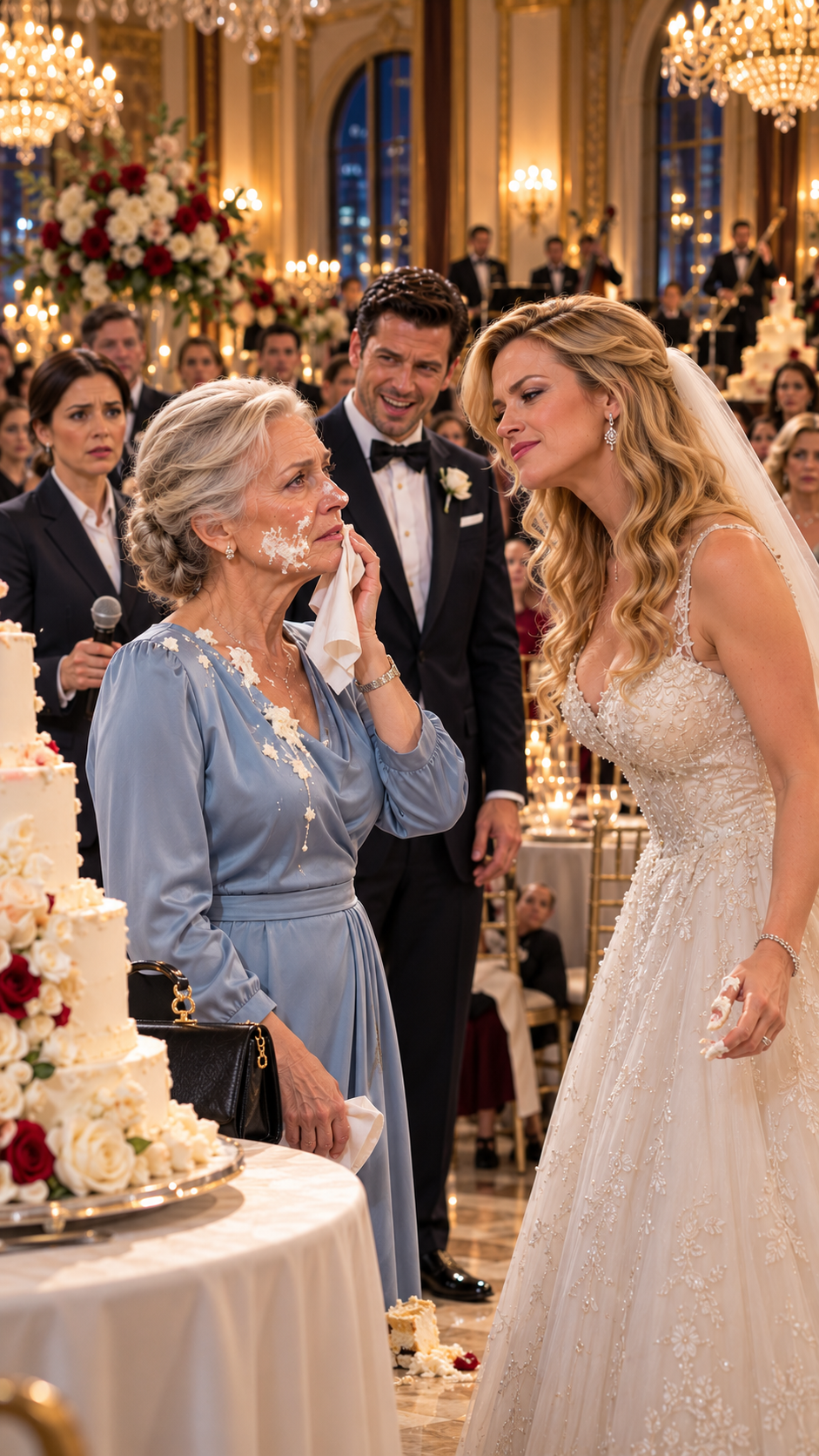
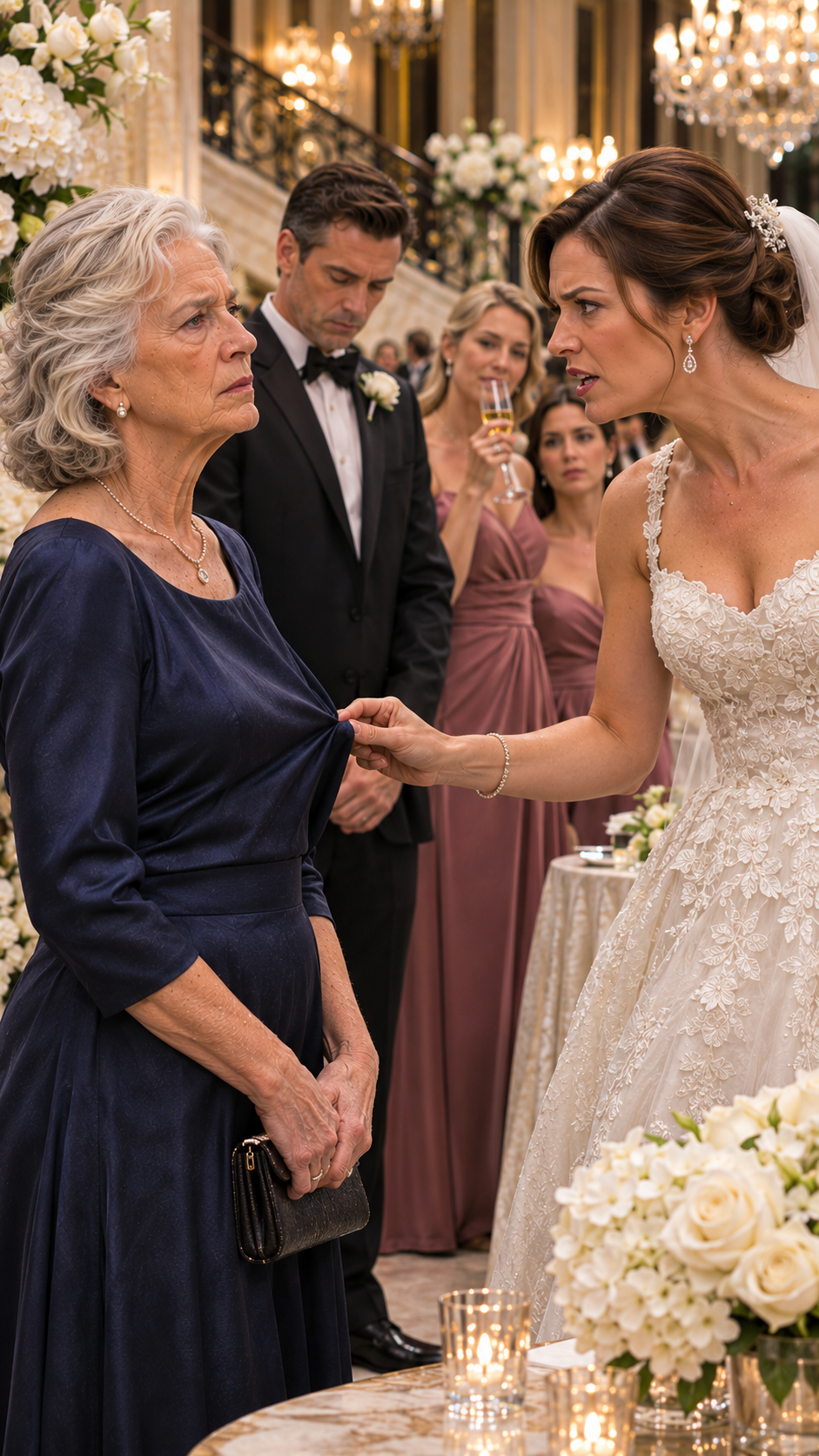
Tiffany stopped directly in front of me.
“The bar manager says the Laurent Reserve isn’t available.”
I nodded.
“That’s right.”
“Then tell him to charge it to your card.”
I looked at her calmly.
“No.”
She blinked.
For a moment, she seemed genuinely confused.
“What did you say?”
“I said no, Tiffany.”
Her voice sharpened.
“This is my wedding!”
“And I’ve already paid more than enough for it.”
Her expression hardened.
“My father specifically requested that champagne.”
I glanced toward him.
He stood with his arms folded, watching me.
He didn’t reach for his wallet.
He didn’t offer to pay.
He simply waited.
So I turned back to Tiffany.
“Then your father is welcome to purchase it himself.”
Her face changed instantly.
The pleasant expression she wore for photographs vanished.
And I knew the argument was about to become ugly.
“You’ve hated this wedding from the beginning,” Tiffany accused.
I shook my head.
“I’ve questioned the expenses.”
“You’ve tried to control every decision!”
“I’ve paid for nearly every decision.”
The words escaped before I could soften them.
But I wasn’t going to apologize for telling the truth.
Nearby conversations began to fade.
A few guests turned in their chairs.
Others lowered their glasses.
The music continued, but the atmosphere around us shifted.
Tiffany noticed the attention.
Instead of lowering her voice, she raised it.
“You always use your money to make people feel guilty!”
For a moment, I could only stare.
My money.
As though it had appeared from nowhere.