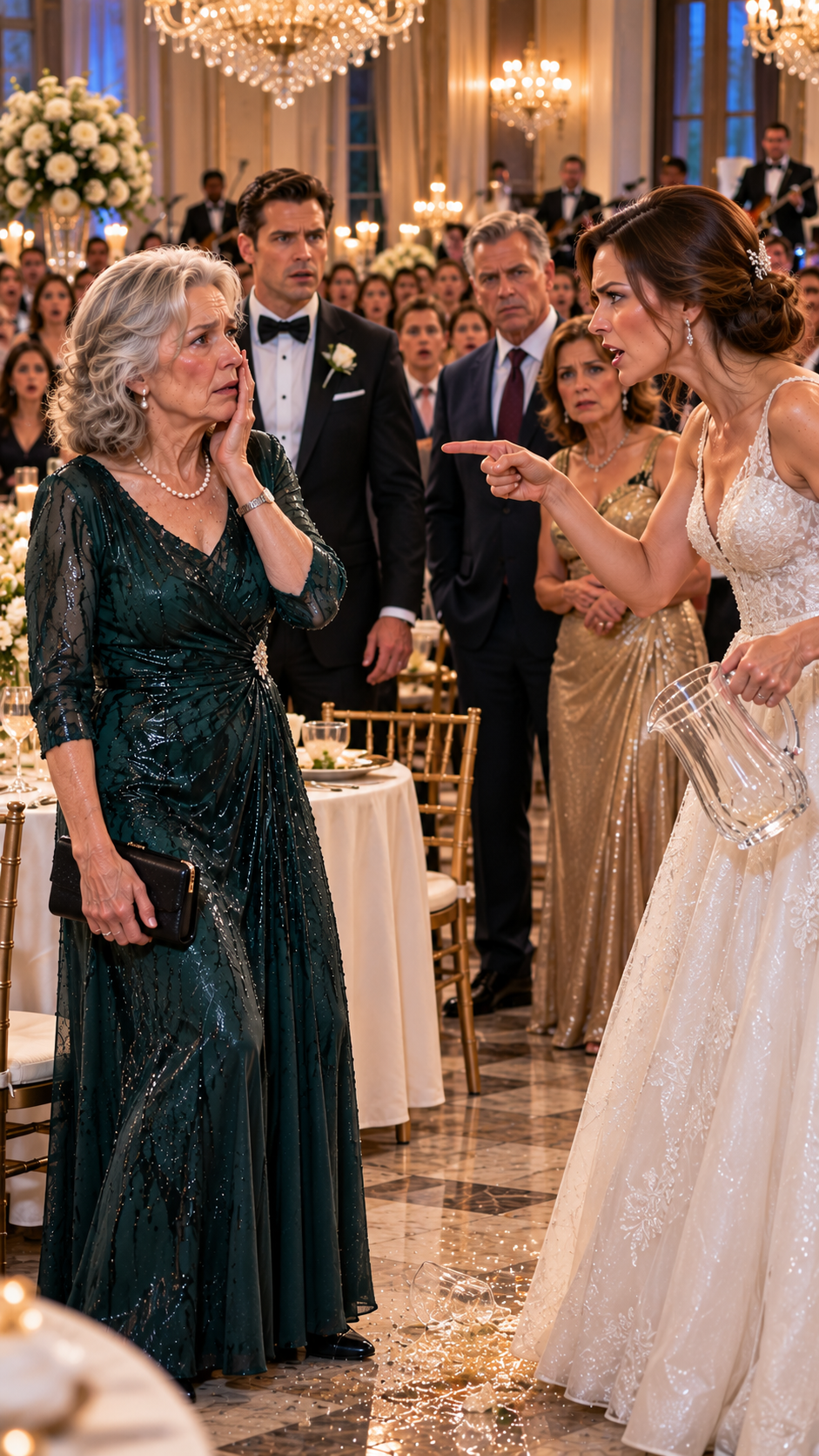
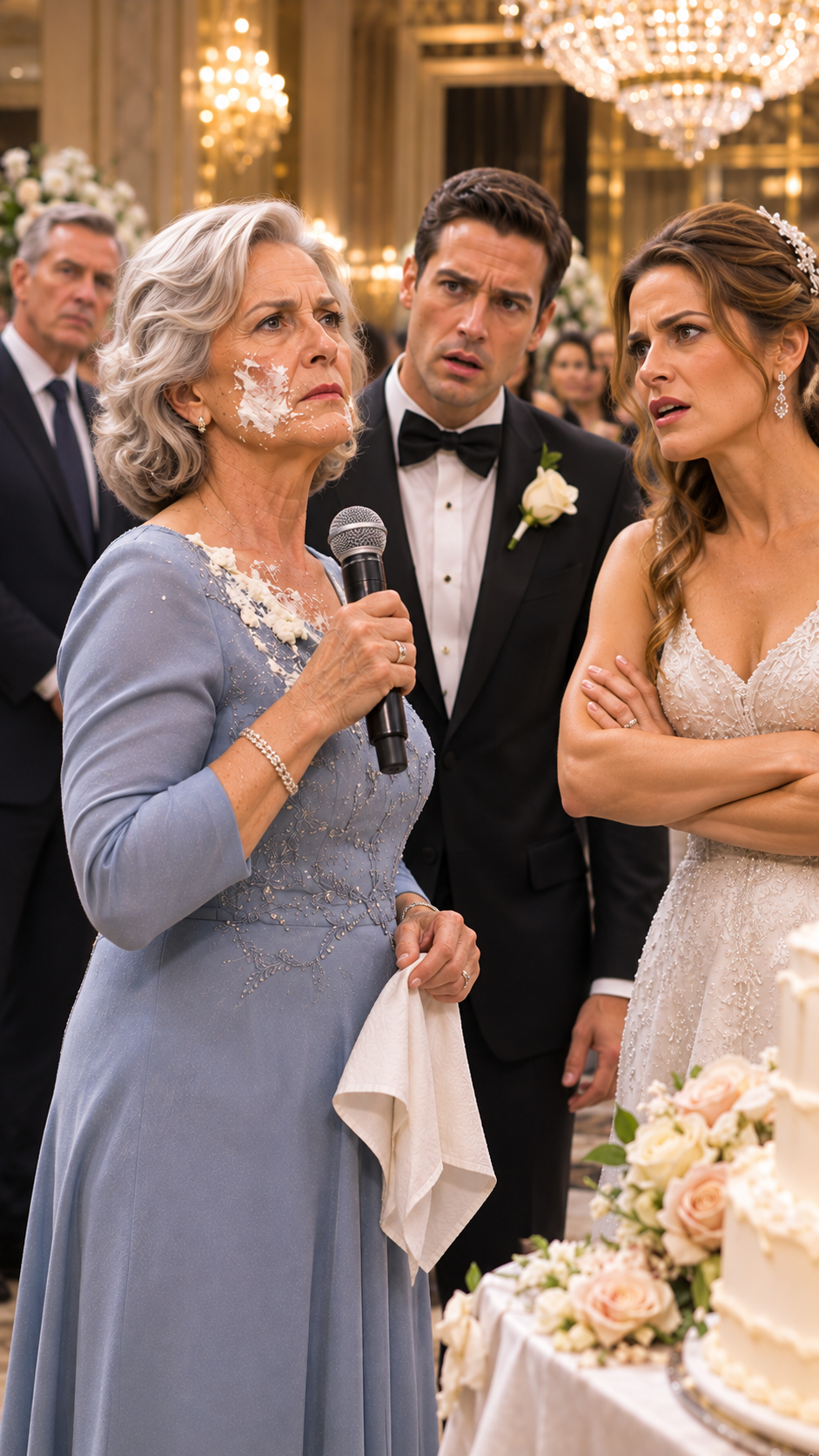
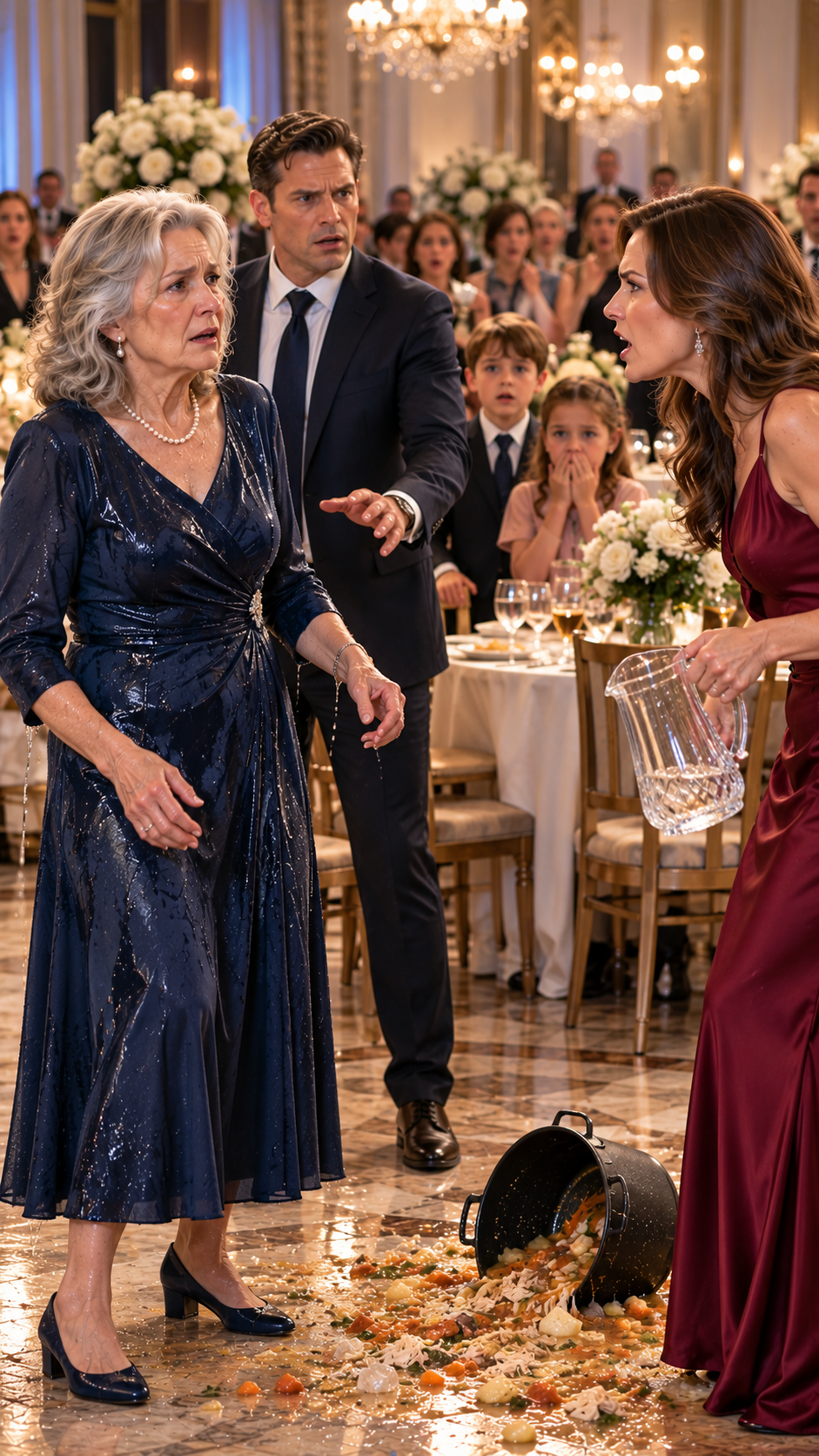
“You don’t get it.”
“Maybe I don’t,” I admitted. “But I’m listening.”
For a moment, she looked as though she might say something else.
Something more honest.
Something she’d been holding back.
But then her expression hardened again.
“You’ve spent your entire life being admired. You have no idea what it’s like to be compared to someone who always seems to do everything right.”
I looked down at my soaked dress.
Then back at her.
I wanted to tell her how many mistakes I had made during those thirty-eight years.
How many times I had doubted myself.
How many difficult conversations I’d had behind closed doors.
How often I had gone home exhausted, wondering whether I had made the right decision.
Success hadn’t made me perfect.
It had simply meant I kept working.
But I could see that Kendra wasn’t ready to hear any of that.
She wasn’t speaking to the mother standing in front of her.
She was speaking to the image of me she had built in her mind.
And that image seemed to have become something she hated.
Then I noticed her hand.
She was holding a champagne glass.
And it was shaking.
Not slightly.
Enough that the liquid trembled near the rim.
I looked more carefully at her face.
Her anger was obvious.
But beneath it was something else.
Fear.
A kind of fear that didn’t seem connected to the retirement dinner.
Or the speeches.
Or the colleagues watching us.
Kendra kept glancing toward the other side of the ballroom.
Toward a group of executives.
Her eyes moved quickly.
Then returned to me.
I followed her gaze.
And something began to feel wrong.
My daughter wasn’t simply angry about living in my professional shadow.
She was frightened of something.
Something happening now.
Something she hadn’t told me.
I turned back toward her.
And asked a question.
“Kendra, what happened at Elevanta?”
Her expression changed instantly.
“Nothing happened.”
I studied her.
“I didn’t say something happened.”
“You implied it!”
Her response came too quickly.
Too sharply.
And that told me more than she intended.
I glanced toward her husband, Grant.
He had been standing nearby, silent throughout much of the confrontation.
Now his face had gone pale.
He looked at Kendra.
Then at me.
Then back at his wife.
There was something in his expression I couldn’t ignore.
Concern.
Not ordinary embarrassment.
Not simply shock over what Kendra had done.
He looked like a man who knew a secret and was terrified it might come out.
I watched him carefully.
He opened his mouth.
Then closed it.
Kendra noticed.
“Grant, don’t.”
He looked away.
And suddenly, the entire confrontation felt different.
Until that moment, I had believed Kendra’s cruelty came from resentment.
Years of comparison.
Frustration over my reputation.
Anger that she believed her own accomplishments had been overshadowed.
Those feelings might explain why she was upset.
They didn’t excuse what she’d done.
But now I began to suspect that resentment was only part of the story.
Something else had happened.
Something connected to her career.
Something she was trying desperately to keep hidden.
And perhaps, standing in front of nearly two hundred people at my retirement celebration, she had allowed that fear to turn into anger.
Anger directed at the person she believed was responsible for making her feel inadequate.
Me.
I took a slow breath.
The cold water had begun to warm against my skin.
My dress still clung uncomfortably to my body.
But I barely noticed.
I looked directly at my daughter.
“Kendra, what are you hiding?”
She swallowed.
Her eyes moved toward the executives across the ballroom.
Then toward Grant.
Then back to me.
For several seconds, she said nothing.
The room remained quiet.
Travis stood beside me, his jaw tight.
I could tell he wanted to defend me.
To demand an apology.
To end the conversation.
But I wasn’t finished.
Not yet.
Because I had seen something in Kendra’s expression that frightened me more than her anger.
She looked trapped.
Finally, she spoke.
“Elevanta is reviewing my department.”
Her voice was quieter now.
I felt my stomach tighten.
“What kind of review?”
She looked down.
“They’re deciding whether I deserve to keep my position.”
I stared at her.
She had worked eight years to reach that position.
Eight years of effort.
Eight years of promotions.
Eight years of building a professional reputation.
And now, apparently, everything she had worked for was being questioned.
I wanted to ask why.
What had happened.
Whether there had been a complaint.
A performance issue.
A misunderstanding.
But before I could speak, Grant moved.
He stood abruptly.
The chair behind him scraped against the floor.
Kendra turned toward him.
“Grant?”
He looked at his wife.
His expression was no longer uncertain.
It was serious.
Almost painfully serious.
“Kendra,” he said, “you need to tell your mother.”
She shook her head immediately.
“No.”
He took a slow breath.
“You can’t keep doing this.”
Her eyes widened.
“Grant, stop.”
But he didn’t.
He looked toward me.
Then back at Kendra.
And spoke with a firmness I hadn’t heard from him before.
“You need to tell your mother what you’ve been so afraid of.”
My daughter went completely still.
For the first time that evening, she had no angry reply.
No accusation.
No bitter joke.
Her gaze moved between her husband and me.
And I saw it clearly.
The fear she had been hiding beneath all that rage.
Grant knew something.
Something important.
Something Kendra had not told me.
Something connected to the review at Elevanta.
I looked at my daughter, then at her husband.
Thirty-eight years of professional experience had taught me to recognize when someone was avoiding the truth.
And I knew, with sudden certainty, that the worst part of this evening had not been the ice water.
It was the secret my daughter had been carrying into that ballroom.
I reached for the white linen towel resting beside the table.
Then placed it gently in Kendra’s trembling hand.