I told them stories.
Not just about successes.
About failures.
Difficult decisions.
Misjudgments.
And the importance of asking for help before a problem became a crisis.
One afternoon, a young woman approached me after a workshop.
“Mrs. Vaughn?”
I smiled.
“Yes?”
She hesitated.
“Can I ask you something?”
“Of course.”
She looked down.
“Do you ever feel like everyone expects you to be perfect?”
The question caught me off guard.
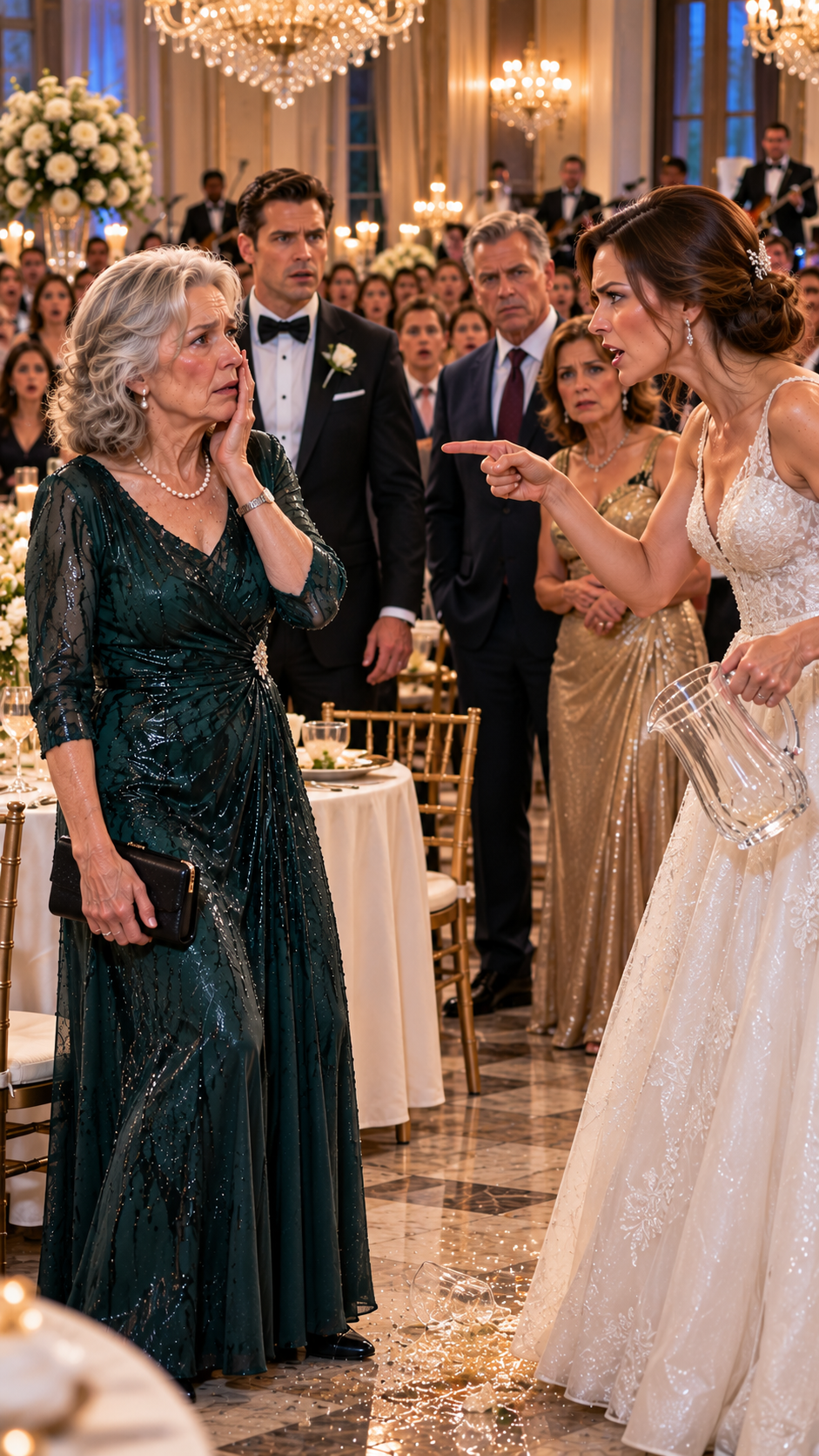
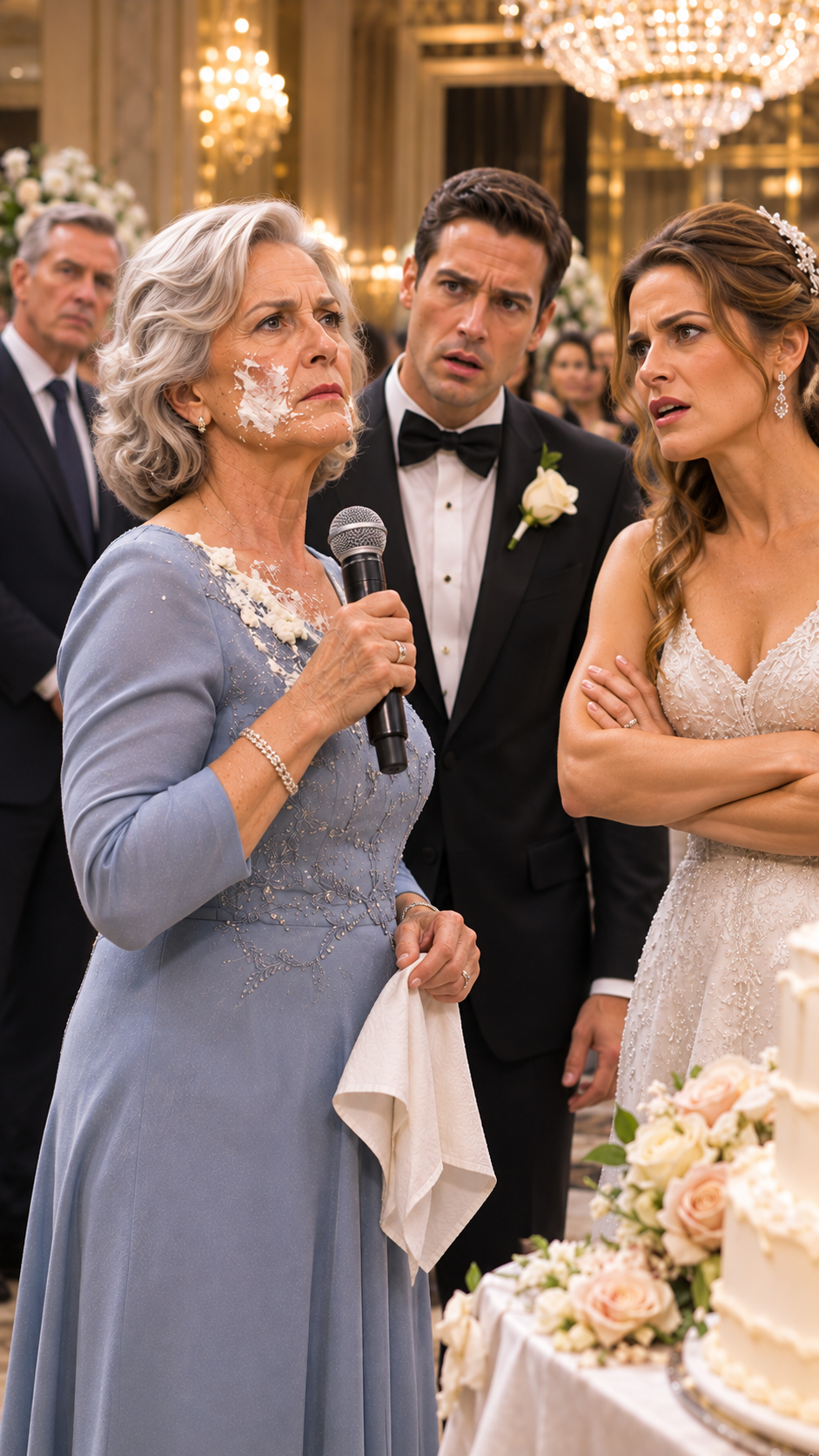
For a moment, I thought about Kendra.
About the ballroom.
About the ice water.
Then I smiled gently.
“All the time.”
The young woman looked surprised.
I continued.
“But perfection isn’t the goal.”
She waited.
“The goal is to become someone who can admit when they’re wrong.”
Her eyes filled.
Then she smiled.
“Thank you.”
I watched her walk away.
And for the first time, I understood that the most valuable thing I could offer the next generation wasn’t a list of accomplishments.
It was permission to be human.
One evening, Travis came over for dinner.
We sat at my kitchen table.
The windows were open.
Warm air drifted through the room.
He looked relaxed.
Happier than he’d seemed in months.
“Mom, can I tell you something?”
I smiled.
“Of course.”
He hesitated.
“I used to think Kendra was the successful one.”
I looked at him.
He laughed softly.
“She had the big title. The promotions. The expensive clothes.”
I nodded.
“And?”
He looked down.
“I thought I was falling behind.”
My throat tightened.
“Travis.”
He shook his head.
“I’m not saying that because I want sympathy.”
He smiled faintly.
“I just realized I was comparing myself too.”
I stared at him.
He continued.
“Maybe we both spent too much time trying to measure ourselves against someone else.”
I reached for his hand.
“Sweetheart, I never wanted either of you to feel that way.”
He nodded.
“I know.”
Then he smiled.
“And I think I’m finally starting to understand that.”
We sat quietly.
Then Travis looked toward the living room.
“Mom?”
“Yes?”
“Are you happy being retired?”
I smiled.
“More than I expected.”
He laughed.
“Good.”
I looked toward the window.
At the evening sky.
At the trees moving gently in the breeze.
Then I nodded.
“Yes.”
I took a breath.
“I think I finally am.”
Kendra eventually found work again.
Not at the same level.
Not with the same salary.
And not with the same title.
She accepted a position at a smaller organization, doing work that required careful attention to detail and accountability.
She told me she had disclosed the circumstances of her departure from Elevanta during the hiring process.
The conversation had been difficult.
But she hadn’t hidden it.
When she called to tell me she’d received the offer, her voice was shaking.
“Mom?”
“Yes, sweetheart?”
“I got the job.”
I smiled.
“Congratulations.”
She laughed through tears.
“It’s not glamorous.”
“That doesn’t matter.”
She swallowed.
“And it’s a big step down.”
I looked toward the window.
Then said gently, “Kendra, a step down in title isn’t always a step backward in life.”
She was quiet.
Then she whispered, “I think I’m beginning to understand that.”
I smiled.
“So am I.”
Nearly a year after my retirement celebration, Howard invited me back to Hawthorne.
Not for another grand event.
Just a small gathering.
Several colleagues wanted to present a scholarship created in recognition of my years of service.
The scholarship would support young professionals pursuing education and training in business ethics and leadership.
When Howard told me, I was speechless.
“Loretta,” he said, “we wanted to honor what you spent thirty-eight years teaching us.”
I felt tears gathering.
“I don’t know what to say.”
He laughed softly.
“That’s a first.”
I smiled.
Then he continued.
“And there’s something else.”
I waited.
“Your daughter asked whether she could attend.”
My heart tightened.
“Kendra?”
“Yes.”
I was quiet for a moment.
Then I smiled.
“Of course.”
The gathering was held in Hawthorne’s main conference room.
Nothing extravagant.
Coffee.
Pastries.
A few flowers.
Familiar faces.
Kendra arrived with Grant.
She wore a simple blue dress.
Her hair was neatly pinned back.
She looked nervous.
When she saw me, she smiled.
“Hi, Mom.”
I hugged her.
“Hello, sweetheart.”
She looked around the room.
Then whispered, “I haven’t been in a place like this since Elevanta.”
I squeezed her hand.
“You’re all right.”
She nodded.
Then looked toward Howard.
He approached with a warm smile.
“Kendra.”
She swallowed.
“Mr. Sutter.”
He shook her hand.
“It’s good to see you.”
Her eyes filled.
“Thank you.”
Howard nodded.
Then turned toward the group.
“Shall we begin?”
We gathered around the conference table.
Howard spoke briefly about the scholarship.
About leadership.
About integrity.
About the importance of helping young professionals build careers grounded in honesty.
Then he looked toward me.
“Loretta, would you like to say a few words?”
I smiled.
“Just a few.”
Everyone laughed.
I stood.
Looked around the room.
Then began.
“Thirty-eight years ago, I believed success meant reaching a destination.”
I paused.
“A title. A promotion. A position where I could finally feel I’d proven myself.”
I looked toward Kendra.
She was watching carefully.
“But I’ve learned that success isn’t a destination.”
I smiled.
“It’s the way we choose to travel.”
The room grew quiet.
I continued.
“It’s how we treat people when we’re under pressure.”
“How we respond when we fail.”
“And whether we’re willing to tell the truth when telling the truth costs us something.”
My voice trembled.
“I hope this scholarship helps young people understand that their worth isn’t measured by a title.”
I looked toward my daughter.
“Or by comparison.”
Her eyes filled.
I smiled.
“It’s measured by the kind of person they choose to become.”
The room erupted in applause.
I stepped away from the podium.
And Kendra stood.
For a moment, I thought she was simply joining the applause.
Then she walked toward me.
Her hands were trembling.
She stopped a few feet away.
“Mom?”
I looked at her.
“Yes?”
She swallowed.
“Can I say something?”