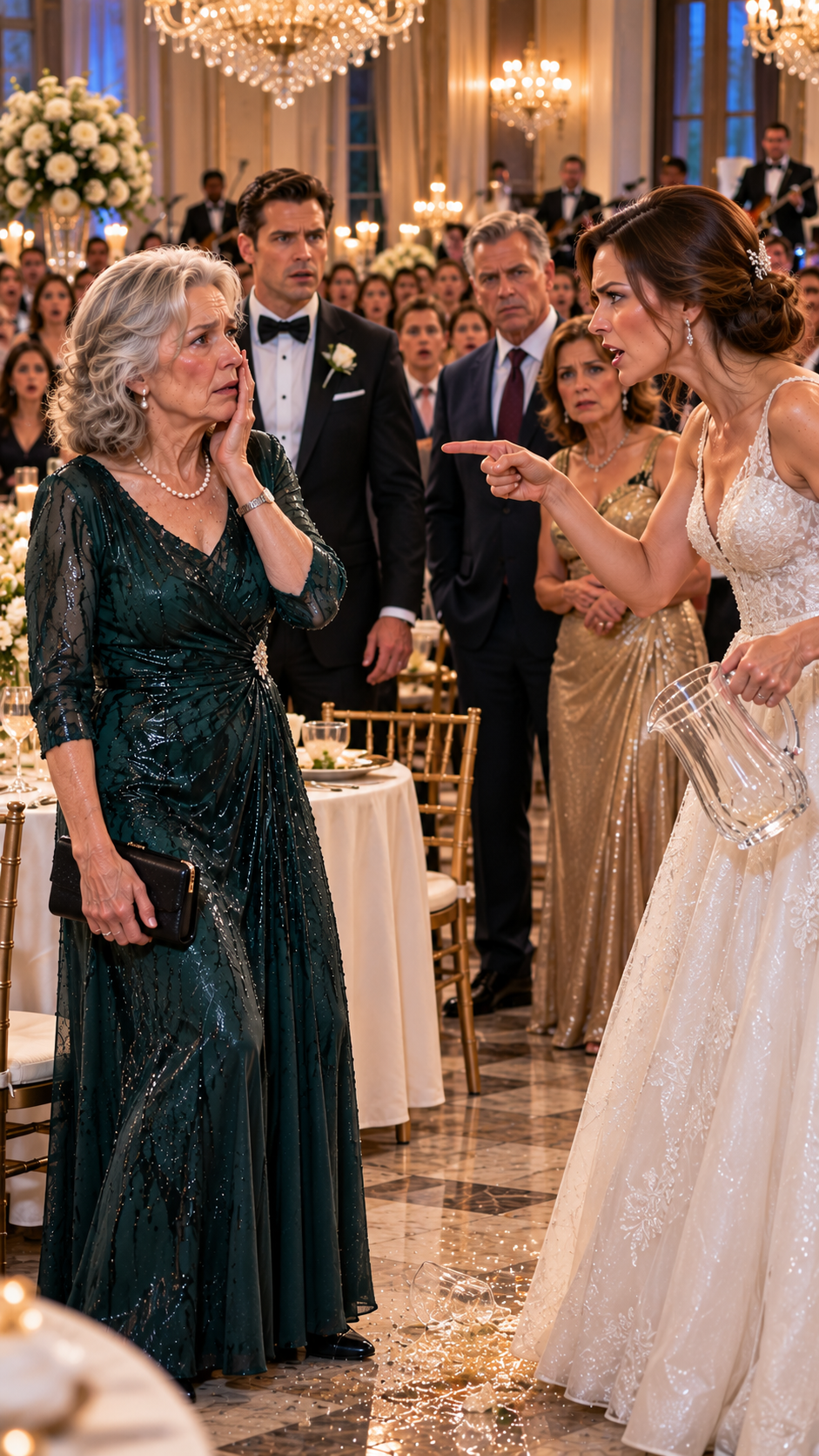
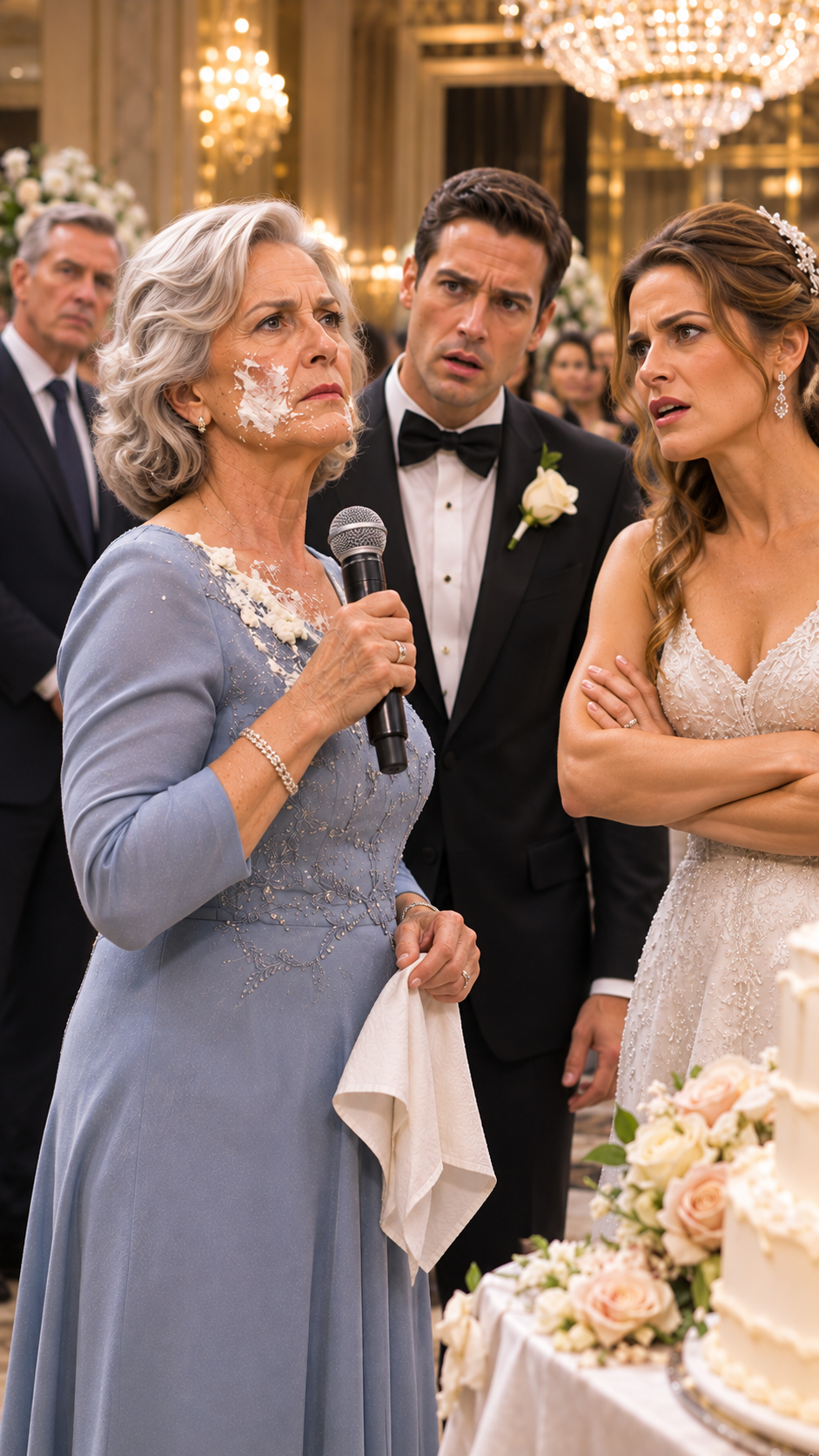
The folded napkins.
The flowers.
The stage where I’d given my final speech.
For a moment, I felt a strange ache.
Thirty-eight years had ended.
My retirement celebration had been shattered.
My daughter had revealed a secret that might destroy her career.
And yet, somehow, I was still standing.
I smiled.
“Yes, sweetheart.”
I took his arm.
“Let’s go home.”
The next morning, my phone rang before eight.
It was Kendra.
I stared at her name for several seconds before answering.
“Hello?”
Her voice was barely audible.
“Mom?”
“Yes, sweetheart.”
“I told them.”
I sat up.
“Who?”
“Elevanta.”
My stomach tightened.
She took a shaky breath.
“I sent a written statement to compliance.”
I closed my eyes.
“And?”
“I admitted everything.”
Her voice broke.
“The reporting changes. The inaccurate figures. Using your name.”
I sat quietly.
Then I asked, “How do you feel?”
She laughed bitterly.
“Terrified.”
I nodded.
“I imagine so.”
She began crying.
“They put me on administrative leave.”
My throat tightened.
“I see.”
She swallowed.
“They’re reviewing whether I can stay.”
I looked toward the morning sunlight spilling across my bedroom floor.
For years, I had taught employees that difficult truths were easier to face when they were admitted early.
Now my daughter was learning that lesson in the most painful way imaginable.
“Kendra,” I said gently, “you did the right thing by telling them.”
She began crying harder.
“But it doesn’t feel right.”
“I know.”
She sniffled.
“What if I lose everything?”
I took a breath.
“Then you’ll have to rebuild.”
She was quiet.
I continued.
“And this time, you’ll build something that belongs entirely to you.”
For a long moment, she didn’t speak.
Then she whispered, “Do you really believe I can?”
My eyes filled.
“Yes.”
I swallowed.
“But you’ll have to prove it to yourself.”
Elevanta’s investigation continued for several weeks.
Kendra cooperated.
She provided the original records.
Answered questions.
And acknowledged that she had knowingly submitted inaccurate figures and falsely implied that I had reviewed them.
The company ultimately terminated her employment.
The decision was painful.
But it wasn’t arbitrary.
It came from documented actions she had taken.
The false reporting.
The misleading explanation.
The attempt to involve someone who had never approved her work.
Kendra called me after receiving the decision.
She was crying.
“Mom, it’s over.”
I closed my eyes.
“I’m sorry, sweetheart.”
She swallowed.
“I deserved it.”
The words surprised me.
I waited.
She continued.
“I kept thinking they’d give me another chance because I finally told the truth.”
I took a slow breath.
“Sometimes telling the truth doesn’t erase the consequences.”
She nodded.
“I know.”
Her voice broke.
“But I think I finally understand why you always said integrity matters.”
I felt tears gathering.
“I’m glad.”
She was quiet.
Then she whispered, “I wish I hadn’t learned it this way.”
“So do I.”
Grant and Kendra began counseling.
Their marriage had been strained by the secrecy surrounding the Elevanta review.
Grant admitted that he’d spent weeks trying to protect his wife from consequences he knew she couldn’t avoid.
Kendra admitted that she’d interpreted his concern as criticism.
They had difficult conversations.
Some ended in tears.
Others ended in silence.
But gradually, they began speaking more honestly.
Kendra also started individual therapy.
She told me later that one of the hardest things she’d been asked to do was describe her accomplishments without mentioning me.
At first, she couldn’t.
Every success seemed connected to a comparison.
Every promotion seemed smaller because someone else had accomplished more.
Every compliment felt temporary.
Then her therapist asked her a question.
What would success look like if nobody were watching?
Kendra told me she’d cried for nearly an hour.
Because she didn’t know.
For years, she’d been working toward an image of success.
Not a life she actually wanted.
And once that image collapsed, she had to begin discovering who she was without it.
I didn’t rush our reconciliation.
There were phone calls.
Short visits.
Awkward conversations.
Moments when Kendra apologized again.
And moments when I had to tell her that an apology wasn’t enough to make the hurt disappear.
One afternoon, she came to my house carrying a small paper bag.
She looked nervous.
“Mom, I brought something.”
I smiled faintly.
“What is it?”
She opened the bag.
Inside was a new white linen towel.
I stared at it.
For a moment, I couldn’t breathe.
Kendra’s eyes filled.
“I know I can’t undo what I did.”
She swallowed.
“But I wanted to give you this.”
I touched the folded fabric.
It was soft.
Clean.
Simple.
She continued.
“Not because I think a towel fixes anything.”
Her voice broke.
“But because I wanted to remember that night differently.”
I looked at her.
“How?”
She wiped her cheek.
“As the night you refused to become cruel just because I was cruel to you.”
My throat tightened.
Kendra began crying.
“I was trying to make you feel small.”
She looked down.
“And you handed me something to help me clean up the mess.”
I felt tears gathering.
She continued.
“I didn’t deserve that kindness.”
I reached for her hand.
“Kendra, kindness isn’t something you earn by being perfect.”
She looked up.
“But trust is something you have to rebuild.”
She nodded.
“I know.”
I held the towel.
Then smiled through tears.
“Thank you.”
Kendra began crying harder.
And for the first time since the retirement celebration, I pulled my daughter into my arms.
Not because everything was fixed.
Not because the hurt had disappeared.
But because she had finally stopped asking me to carry her shame.
And I could feel the difference.
Several months into retirement, I began volunteering with a local professional mentoring program.
Not because I missed the office.
Not because I needed another title.
But because I realized that thirty-eight years of experience didn’t have to disappear simply because I’d stopped working full-time.
I met young professionals who were just beginning their careers.
Some were confident.
Others were terrified.
Many worried about making mistakes.